 Same Day Appointments
Written by the clinical team at Rite Dentist. Last updated June 2026.
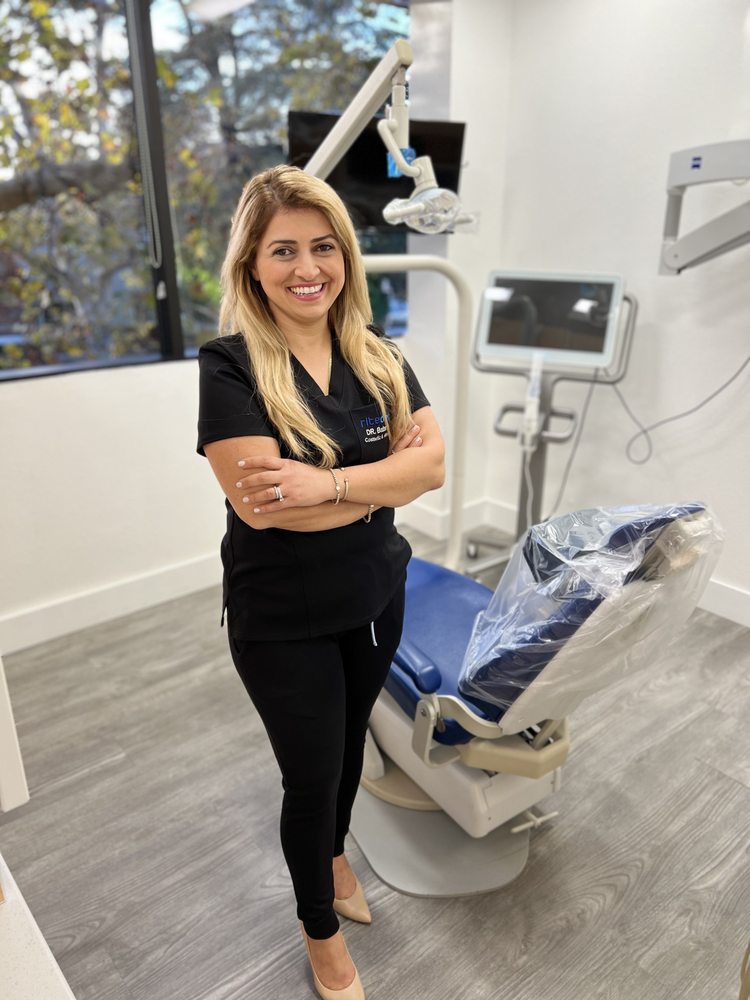
Why a Dentist for Sleep Apnea?
Sleep apnea is a breathing disorder. But the anatomy that causes it is entirely within a dentist’s scope of expertise.
Obstructive sleep apnea occurs when the soft tissues at the back of the throat collapse during sleep, blocking the airway. The structural factors that make this more likely include a narrow dental arch, a posteriorly positioned lower jaw, a low-lying soft palate, and poor tongue posture. All of these involve the bones and soft tissues that dentists spend their careers studying.
Biological and airway-focused dentists screen for these structural risk factors at every exam. We look at palate width, jaw position, tongue-tie involvement, and signs of nighttime grinding (bruxism), which often signals the brain trying to reopen a restricted airway. When we see a pattern that suggests sleep-disordered breathing, we discuss it with the patient and coordinate with sleep medicine physicians when appropriate.
Oral Appliance Therapy: A CPAP Alternative for Mild to Moderate Sleep Apnea
CPAP (continuous positive airway pressure) is the standard medical treatment for sleep apnea. It is highly effective when used, but compliance rates are poor. Research published in the Journal of Clinical Sleep Medicine puts CPAP adherence at roughly 50%, meaning half of patients prescribed a CPAP machine do not use it consistently.
Oral appliance therapy provides a well-studied alternative for patients with mild to moderate obstructive sleep apnea. The appliance is a custom-fitted device that gently advances the lower jaw during sleep, keeping the airway open. It is quiet, portable, requires no electricity, and most patients adapt to it far more readily than to CPAP.
The American Academy of Sleep Medicine recommends oral appliance therapy as a first-line treatment for mild to moderate sleep apnea and as an alternative to CPAP for patients who prefer it or cannot tolerate the machine.
At Rite Dentist, we fabricate custom oral appliances using digital impressions and biocompatible materials. We work collaboratively with your sleep physician to ensure the appliance is calibrated to your anatomy and that treatment outcomes are measured properly.
Loud snoring, waking with headaches, daytime fatigue despite a full night’s sleep, waking frequently, poor concentration, teeth grinding, and a partner noticing that you stop breathing during sleep are the most common indicators. Many people with sleep apnea have no idea until a bed partner observes an episode.
Untreated sleep apnea has been linked to hypertension, heart disease, type 2 diabetes, stroke, and depression. Each apnea event triggers a stress response that elevates cortisol and blood pressure. Over years, these nightly interruptions compound into measurable cardiovascular and metabolic damage.
Americans have sleep apnea, and the majority remain undiagnosed — it is one of the most prevalent and overlooked chronic conditions in the country (Sleep Foundation, 2023)
CPAP non-compliance rate — half of patients prescribed CPAP do not use it consistently, making oral appliance therapy a critical alternative (Journal of Clinical Sleep Medicine)
Higher cardiovascular risk in people with untreated severe sleep apnea compared to people who sleep without airway obstruction (American Heart Association, 2021)
Frequently Asked Questions: Sleep Apnea Treatment in Los Angeles
Can a dentist diagnose sleep apnea?
How does a dental oral appliance help with sleep apnea?
Is oral appliance therapy as effective as CPAP?
Do I need a sleep study before getting an oral appliance?
What does an oral appliance fitting involve?
Are there holistic lifestyle approaches that help sleep apnea?
Sleep Better. Live Better.
If you snore, grind your teeth, or wake exhausted, your airway may be the problem. Book an airway screening at Rite Dentist in Los Angeles and find out if oral appliance therapy is right for you.